
Get well soon du'as from the Qur'an: the shifa verses
The Qur'an names Allah as the One who heals and records the prayers of those who were ill. Here are the verses of shifa and how to use them in a get well message.
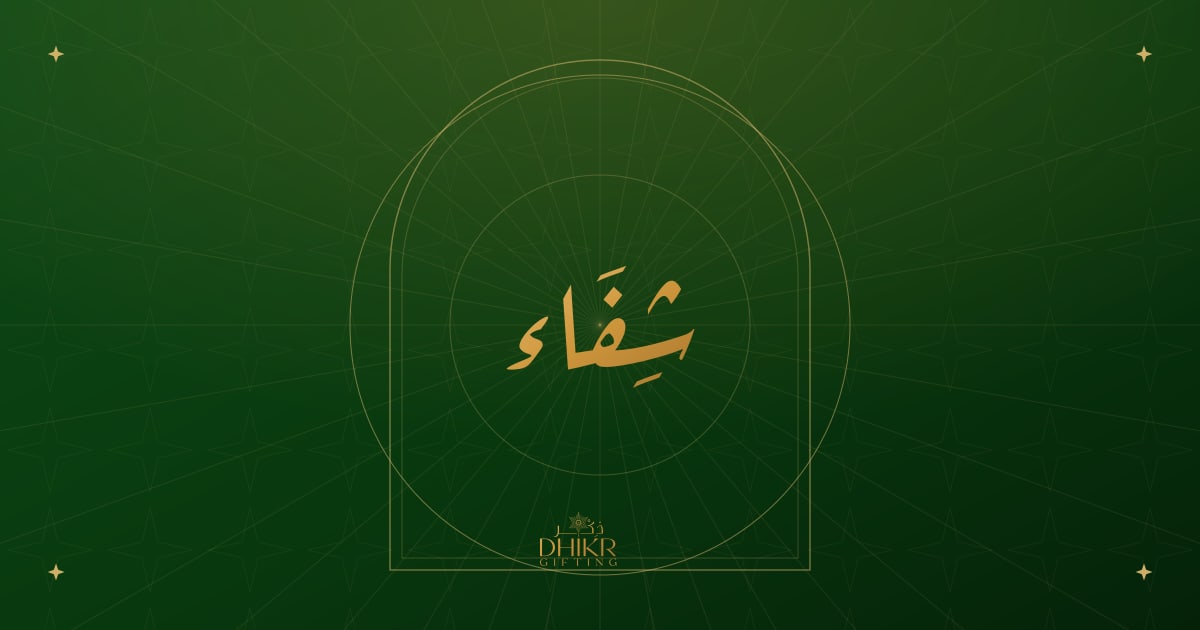
The Qur'an's own words for someone who is ill include Ibrahim's statement "And when I sicken, then He healeth me" (Surah Ash-Shu'ara 26:80), the prayer of Ayyub in his illness (Surah Al-Anbiya 21:83), and the verses that describe the Qur'an as a healing (Surah Yunus 10:57 and Surah Al-Isra 17:82). A get well message can quote one of these with its reference, add the person's name, and ask Allah for their shifa, their healing.
This guide explains each verse and offers wording that is warm without being heavy.
What does the Qur'an say about illness and healing?
The Qur'an treats illness honestly. It does not pretend that the believer is spared hardship, but it places healing firmly with Allah and records the prayers of those who suffered.
He heals me
> And when I sicken, then He healeth me. (Surah Ash-Shu'ara 26:80)
وَإِذَا مَرِضۡتُ فَهُوَ یَشۡفِینِ
These are the words of Ibrahim, describing his Lord. They are short enough to quote in Arabic and are the most widely used verse in get well messages.
The prayer of Ayyub
> And Job, when he cried unto his Lord, (saying): Lo! adversity afflicteth me, and Thou art Most Merciful of all who show mercy. (Surah Al-Anbiya 21:83)
Ayyub is remembered in the Qur'an for his patience through long illness. His prayer is a model of how to ask: he states his hardship plainly and names the mercy of Allah. It suits someone facing a long illness or a slow recovery.
A healing for the hearts
> O mankind! There hath come unto you an exhortation from your Lord, a balm for that which is in the breasts, a guidance and a mercy for believers. (Surah Yunus 10:57)
> And We reveal of the Qur'an that which is a healing and a mercy for believers... (Surah Al-Isra 17:82, opening)
These verses speak of the Qur'an itself as a healing, especially of the heart. They suit illness that touches the spirit as well as the body, and they are a gentle encouragement to keep reading.
With hardship comes ease
> But lo! with hardship goeth ease. Lo! with hardship goeth ease. (Surah Ash-Sharh 94:5 to 6)
A reassuring choice for someone frightened by a diagnosis or worn down by treatment.
Hearts find rest
> Verily in the remembrance of Allah do hearts find rest. (Surah Ar-Ra'd 13:28, closing)
For a patient who is anxious or cannot sleep, this is often the most helpful line of all.
How do you write a get well message?
Keep it light to read
People who are unwell have little energy. Three or four lines are plenty.
Use the person's name and the verse
"Shifa to you, Zainab. 'And when I sicken, then He healeth me' (26:80). Praying for an easy recovery."
Ask for nothing
Do not ask for updates. "No need to reply" removes a burden.
Make a real offer
If you are close by, offer something specific: a meal, a lift to an appointment, an hour with the children.
Sample messages
For a friend after an operation
"Get well soon, Imran. 'And when I sicken, then He healeth me' (26:80). May Allah grant you shifa and make the recovery easy. I will drop food round on Tuesday. No need to reply."
For an elderly relative
"Dear Nani, we are making du'a for you every day. 'Thou art Most Merciful of all who show mercy' (21:83). We love you and we will visit on Sunday."
For a long illness
"Thinking of you this week. 'With hardship goeth ease' (94:5). I am here whenever you want company, or quiet."
For a colleague
"Wishing you a full and quick recovery. Please do not think about work. Everyone is thinking of you."
What should I avoid?
- Medical advice. Unless you are their doctor, leave it out.
- Remedies passed around in group chats. Well meant, but unhelpful and sometimes harmful.
- Implying blame. Never suggest illness is a punishment. The Qur'an presents Ayyub, a prophet, as one tried by illness.
- Unsourced sayings. Keep to the Qur'an and your own du'a.
A get well blessing they can keep
On Dhikr, a get well blessing sets one of these verses beside the name of the person recovering, in gilt Arabic calligraphy, with your wish for shifa beneath. It is made to be opened on a hospital phone and kept. Every blessing carries its verse reference. Blessings start from USD 2.50 in your own currency, with five free sends after every purchase.
For a longer companion through recovery, The Qur'anic Healing Companion gathers verses for the heart in hardship, fear and illness, and The Verse and the Ill sets Qur'anic verses beside the illnesses of the heart they answer. The free tools on the free gifts page include a Qur'an reader that is easy to use from a bed.
Questions people ask
What is the Qur'anic du'a for shifa?
The most quoted verse is Surah Ash-Shu'ara 26:80, "And when I sicken, then He healeth me." The prayer of Ayyub in Surah Al-Anbiya 21:83, "Adversity afflicteth me, and Thou art Most Merciful of all who show mercy," is another. Both name Allah as the source of healing.
Which verses of the Qur'an are about healing?
Surah Yunus 10:57 calls the Qur'an "a balm for that which is in the breasts," and Surah Al-Isra 17:82 calls it "a healing and a mercy for believers." Surah Ash-Shu'ara 26:80 speaks of Allah healing the sick. These are often called the verses of shifa.
What do you say to a Muslim who is sick?
Many people say "shifa" or "may Allah grant you shifa," meaning healing. Add a short verse such as 26:80 and an offer of practical help. Keep it brief and tell them there is no need to reply.
By Dhikr
More from the journal
All postsPrintable Islamic books in PDF: what to look for
Before you buy or print an Islamic PDF, check these things: a reference on every verse, accurate Arabic with diacritics, a print-ready layout and fair terms.
17 Nov 2026Islamic e-cards for Muslims in the USA and Canada
Family far away, Eid on a work day, several time zones in one country. Here is how to send an Islamic e-card from the USA or Canada that arrives well.
13 Nov 2026Islamic greeting cards in the UK: send one online
Eid, a new baby, a nikah or a Friday message: here is how to send a personalised Islamic greeting card online from anywhere in the UK, priced in pounds.